What Is a Well-Woman Visit?
This blog is written and brought to you by Kelly Pierannunzi, NP, at Family Practice Center
If you have ever booked a well-woman visit without being sure what it would involve, you are not alone. A well-woman visit is a yearly preventive checkup focused on a woman’s overall health, covering screenings, reproductive and hormonal care, and a review of heart, bone, and mental wellbeing. Its purpose serves to catch problems early and keep you healthy; and if there are any problems or concerns, we can address that too within the same visit. For many women it is the appointment that ties their women’s health together each year, though it is often skipped because its purpose is not well understood.
The Purpose of a Well-Woman Visit
A well-woman visit is built around prevention rather than treatment. In a single appointment, your provider reviews your overall health, orders or updates the screenings appropriate for your age, discusses any concerns, and helps you plan for your current life stage, whether that involves contraception, pregnancy, menstrual cycle concerns, perimenopause, or menopause. Catching and addressing issues like high blood pressure, endometriosis symptoms, intimacy concerns, vaginal pain or irritation, a lump you felt in your breast, or early onset bone loss called Osteopenia.
Most guidelines suggest women begin annual well-woman visits once they become sexually active or at age 21. The visit also establishes a record, so a provider who sees you each year learns your baseline and can spot meaningful changes that a one-off appointment would miss.
Read: Why Women’s Health Is Important: Preventive Care and Long-Term Wellness
What to Expect at a Well-Woman Visit
A typical well-woman visit includes:
- Health history review. Your provider asks about your personal and family history, medications, menstrual cycle, sexual health, and any other gynecological complaints you would like addressed.
- Vital signs and measurements. Blood pressure, weight, and BMI to track your baseline.
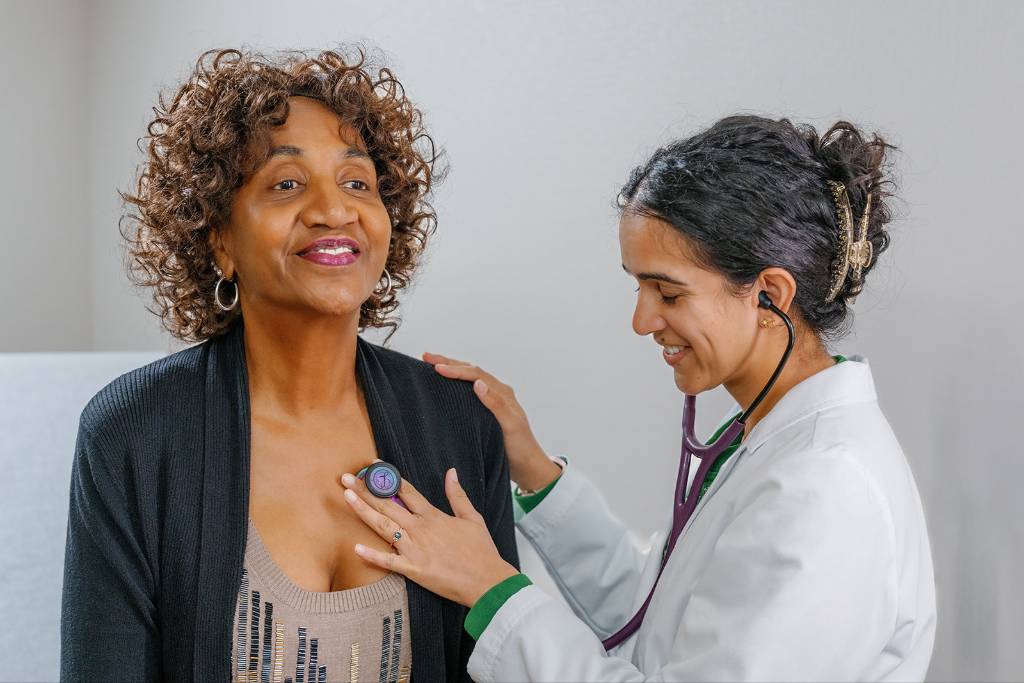
- Physical exam. A general exam that may include a clinical breast exam and, when appropriate, a pelvic exam. (include listening to heart, lungs, listening and feeling their abdomen as part of an annual exam)
- Screenings and labs. Depending on age and history, the visit may include a Pap test (with HPV testing from age 30+), cholesterol and blood sugar labs, STI testing, or a referral for a mammogram or bone density scan.
- Counseling and planning. Time for contraception, fertility, perimenopause/ menopause, mental health, nutrition, or other concerns.
A yearly gynecological exam is recommended, but a Pap smear or cervical cancer screening is only performed based on evidence-based clinical guidelines, which your provider will follow based on your age and medical history.
How to Prepare for a Well-Woman Visit
A little preparation makes the appointment more productive:
- Schedule around your cycle. Book for a week when you are not on your period, since bleeding can interfere with a Pap test.
- Hold off before a Pap. For about 48 hours beforehand, avoid intercourse, douching, and vaginal products, which can affect the results.
- Bring your information. A list of medications, the date of your last period, and relevant family history such as breast, ovarian, and colon cancer. As well as, current or family history of heart disease or blood clot disorders. ovarian
- Write down questions. Note any changes in your cycle, mood, sleep, or weight, or anything that feels off, even if it seems minor.
Sharing openly about sexual health, mental health, and symptoms helps your provider give better care, and the conversation is confidential.
Well-Woman Visit vs. Annual Physical
The two overlap and are sometimes combined, but they are not identical. A general annual physical exam focuses on your overall health; a more head-to-toe assessment addressing all body systems. A well-woman visit adds reproductive and gender-specific care on top of that, including cervical cancer screening, breast health, contraception, management of cycle regulation and/or symptom control, and perimenopause and menopause guidance. If you see a gynecologist separately, your well-woman care may happen there, though i have found many women prefer their primary care or family medicine provider as we are already treat the entire person and can provide a more encompassing approach and broad knowledge of the patient. Many insurance plans also cover one well-woman visit per year as preventive care, often at no out-of-pocket cost. Depending on your provider and plan, you may have the two as a single appointment or separately if you wish, and your primary care team can advise.
Schedule Your Well-Woman Visit in Metro Atlanta
Family Practice Center offers well-woman visits alongside everyday primary care, so your preventive care, screenings, and any follow-up stay are well grasped and taken care of under one roof and with the best team. Patients across all of our 10 locations, including metro atlanta can book same-day and next-day appointments. To schedule your visit, schedule an appointment or find a location nearest you.
Frequently Asked Questions
What is a well-woman visit?
A well-woman visit is a yearly preventive checkup focused on a woman’s overall health. It reviews your history, updates age-appropriate screenings, includes a physical exam, and gives you time to discuss any concerns.
How often should I have a well-woman visit?
Most women benefit from one well-woman visit a year, even when they feel healthy. Your provider may adjust the timing based on your age, health, and risk factors.
What is the difference between a well-woman visit and a Pap smear?
A Pap smear is a cervical cancer screening test that is a part of your well-woman visit. The visit also covers your overall health, other screenings, and any concerns, and a Pap is generally needed only every three to five years rather than annually.
Does a well-woman visit include a pelvic exam?
It can, depending on your age, history, and what is due. Your provider explains what is recommended and why, and nothing is done without your understanding and consent.
What should I bring to a well-woman visit?
Bring a list of your medications, your personal and family health history, the date of your last period, and any questions or symptoms you want to discuss. The more you share, the more useful and helpful your visit will be.