What Does a Family Medicine Doctor Do?
This blog is written and brought to you by Dr. Mary Kate Fennelly at Family Practice Center
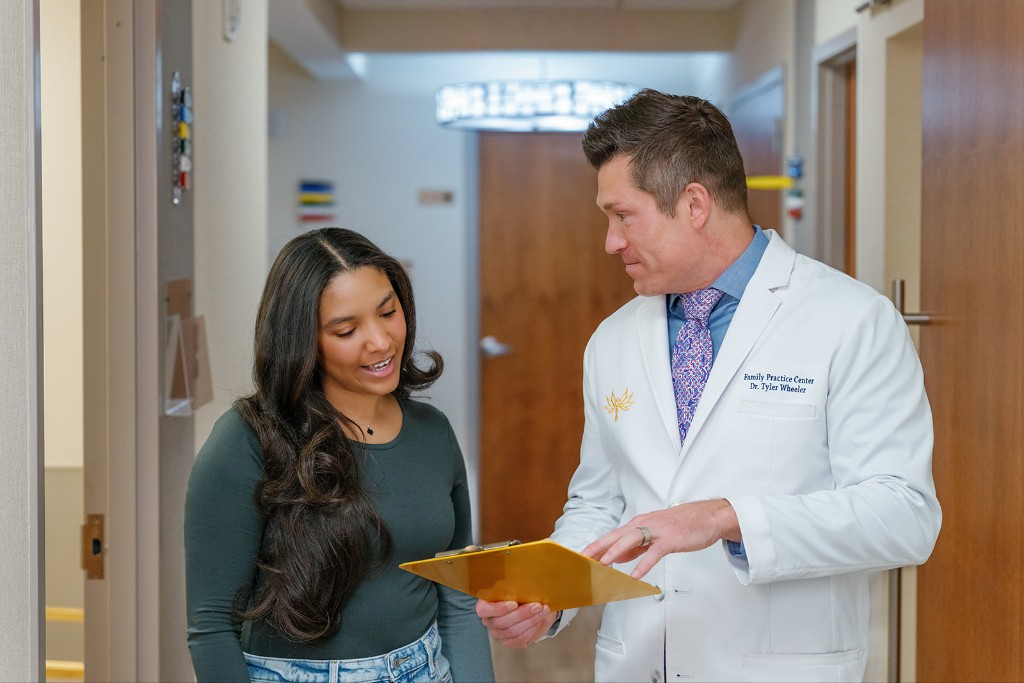
A family medicine doctor is trained to care for the whole person at every stage of life, from a child’s first checkup to managing blood pressure in your sixties. Rather than focusing on a single organ system or age group, a family physician handles a broad range of everyday health needs, builds a relationship that lasts for years, and becomes your first call when something feels off. Often the same doctor who treats your child’s ear infection also keeps an eye on your cholesterol and orders your yearly screenings. That range is what makes family medicine the foundation of ongoing primary care, and it is why so many households would rather have one practice that knows them than juggle a handful of offices that don’t.
Care for Patients of Every Age
Family medicine is the one primary care specialty built to treat an entire household across a lifetime. A family doctor sees newborns, school-age kids, teenagers, working adults, and retirees, so a single provider can follow your family through childhood illnesses, midlife chronic conditions, and the questions that come with getting older.
Continuity is where that relationship pays off. When the same physician has watched your health unfold over the years, they catch the small shifts a walk-in clinic never would: a slow creep in your weight, a blood pressure reading drifting the wrong way, a mood that has changed since your last visit. The history behind each visit leads to better decisions, and it spares you from explaining your whole story to a stranger every time you feel unwell.
Common Reasons to See a Family Medicine Doctor
Most visits to a family doctor fall into a few familiar categories:
- Annual physicals and wellness exams to check your overall health, update screenings, and catch problems early.
- Sick visits for infections, fevers, sore throats, urinary symptoms, and the everyday illnesses that need quick attention.
- Chronic condition management for ongoing issues like diabetes, high blood pressure, and high cholesterol that require regular monitoring.
- Preventive screenings such as blood work, cancer screenings, and risk assessments based on your age and history.
- Minor procedures including skin biopsies, joint injections, and laceration repairs that many family practices handle in-office.
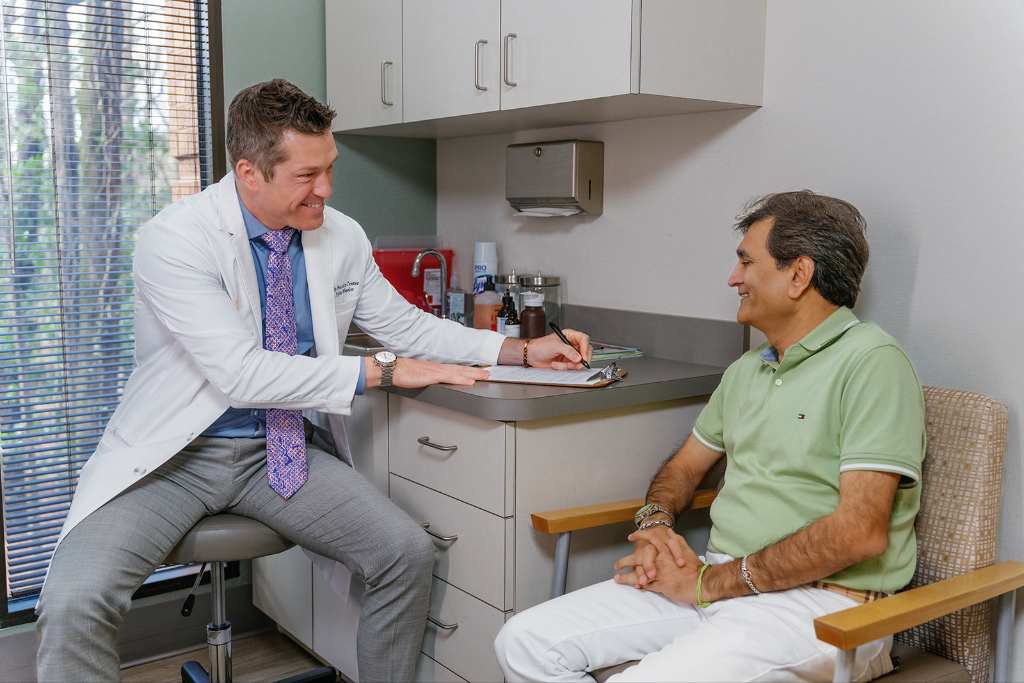
Because your family doctor sees you for both routine annual physical exams and unexpected illnesses, they build a complete picture that makes every visit faster and more accurate. One week you come in with a nagging cough, and the next you are going over lab results and adjusting a medication with a provider who already knows your history.
Conditions a Family Medicine Doctor Treats
The range of conditions a family physician manages is long, because the specialty is built around continuity rather than a single body system. Most of what they treat falls into a few groups:
- Chronic conditions such as diabetes, high blood pressure, high cholesterol, thyroid disorders, asthma, and arthritis, monitored and adjusted over months and years.
- Acute illnesses and injuries including infections, fevers, sore throats, urinary symptoms, rashes, and the minor injuries that send most people to the doctor.
- Weight and metabolic health, where a doctor can build a weight management plan grounded in your health history rather than a one-size-fits-all diet.
- Mental and behavioral health, from screening for anxiety and depression to starting treatment or connecting you with ongoing support.
- Routine women’s health, covering wellness exams, contraception questions, and the transition through menopause.
When one provider keeps an eye on all of it, your care stays connected instead of scattered across separate offices that rarely compare notes.
How Family Medicine Differs From Internal Medicine
Family medicine and internal medicine are both primary care specialties, and they overlap enough that patients often use the names interchangeably. The clearest difference is who they treat. An internal medicine doctor focuses on adults and goes deep on the complex, multi-system conditions that show up in adulthood. A family medicine doctor treats every age, so the same practice can care for your toddler and your aging parent.
For most families, the all-ages scope settles it. If you want one provider who can handle your kids’ well visits and still manage your own chronic conditions, family medicine is usually the better fit.
Read: How Family Practice Center Is Different Than Urgent Care
When Your Family Doctor Refers You to a Specialist
A family doctor handles most of what comes through the door, and part of the skill is knowing when something calls for a specialist. When you need focused care, your physician makes the referral, passes along your history, and folds the specialist’s plan back into your overall care so nothing important gets lost between offices.
At a practice built for full-spectrum care, many of those specialists work under the same roof. Family Practice Center keeps dermatology, sports medicine, mental health care, women’s health, and more in the same group, all staffed by board-certified providers, so a referral often means walking down the hall instead of starting over at a new office across town. The convenience adds up when you are managing more than one thing at a time and want a care team that talks to each other.
Finding a Family Doctor in Metro Atlanta
The right family doctor is the one who can handle almost everything your household needs and still remembers the details that matter when you walk back in. Family Practice Center was built on a simple idea, that primary care should feel personal and accessible instead of like a number in a big hospital system, which is why patients across metro Atlanta get same-day and next-day appointments, full-spectrum services, and a lasting relationship with a provider who knows them. When you are ready, schedule an appointment with our team or view all of our metro Atlanta locations to find the office closest to home, and see what healthcare feels like when it is built around you.
Frequently Asked Questions
Is a family medicine doctor the same as a primary care physician?
Family medicine is one type of primary care, so a family medicine doctor can absolutely serve as your primary care physician. Primary care is the broader category, which also includes internal medicine and pediatrics. What sets family medicine apart is its all-ages training.
Can my family doctor also be my child’s doctor?
Yes. Family physicians are trained in pediatric care and routinely see infants, children, and teens alongside their adult patients. Many families appreciate having one practice handle everyone’s checkups, sick visits, and screenings.
What is the difference between a family doctor and a general practitioner?
In the United States, “family doctor” usually refers to a physician who completed a residency in family medicine and is board-certified in the specialty. “General practitioner” is an older and more informal term that is used differently in other countries. For most patients searching today, the two describe a similar all-around primary care role.
How often should I see my family doctor?
Most adults benefit from at least one wellness visit a year, even when they feel healthy, because yearly exams catch issues early and keep screenings on schedule. If you manage a chronic condition, your doctor may want to see you more often to monitor it.
Do I need a referral to see a specialist?
It depends on your insurance plan. Some plans require a referral from your primary care doctor before they cover specialist care, while others let you self-refer. Your family practice can confirm what your plan requires and handle the referral when one is needed.